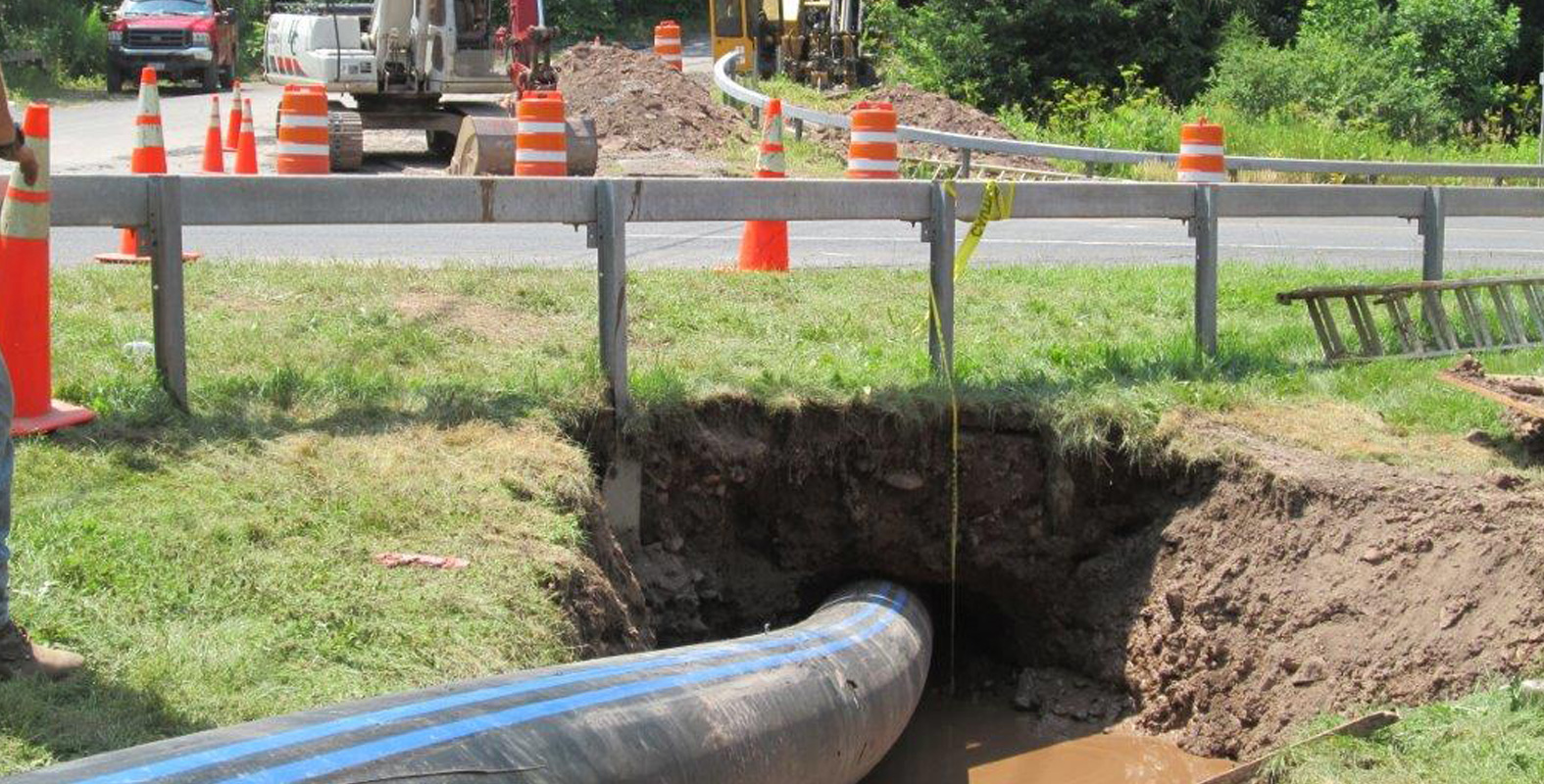
Horizontal Directional Drilling (HDD) has changed how we approach infrastructure projects. It allows for the installation of pipes, conduits, and cables beneath the ground. It avoids the destructive path of traditional trenching. This trenchless technology is the standard for utility installation. You might be installing fiber optic lines under a busy highway. You might be running residential water lines through a landscape in the Rocky Mountain region. Avoiding surface disruption gives you a competitive advantage.
However, the technology is only as good as the team behind it. HDD saves time and money. It is not immune to failure. When the process goes wrong, the results are rarely minor. They are also costly. They are legally complicated. They are environmentally damaging. Understanding the common pitfalls of horizontal directional drilling is the first step toward project success. This guide explores the common mistakes that lead to HDD failure. We will also look at how to avoid them by choosing the right approach and the right team of directional boring contractors
The Hidden Dangers: Why HDD Projects Fail
It is easy to look at a drill rig and see a simple machine. A successful bore is a complex engineering operation. It requires meticulous planning and execution. Most failures in this industry do not stem from the machine itself. They come from human error, insufficient planning, or a lack of regard for the subsurface.
1. The Unmarked Utility Hazard
The most common cause of catastrophic HDD failure is the accidental striking of underground utilities. Many operators rely solely on public 811 markers. Experienced teams know public records are not always exhaustive. You might be drilling under a location with secondary lines, private conduits, or improperly mapped cables.
Many contractors assume that if a utility is not on the map, it does not exist. This leads to a utility strike. A strike can sever fiber optic lines. It can rupture gas mains. It can damage critical power conduits. The damage from such an incident can halt a project for days. It leads to massive repair bills. It invites expensive lawsuits. Industry management practices identify the lack of due diligence regarding subsurface assets as the primary driver of project liability.
2. Failure to Perform Exploratory Potholing
Some teams rush to complete a job on a strict timeline. They skip the most critical step in the pre-drilling phase. This step is potholing. Exploratory potholing is the process of using vacuum excavation (Hydrovac) to physically expose underground utilities. This verifies their exact location and depth.
Without this visual verification, you are flying blind. You are relying on depth estimates and spatial maps. These maps may have been drawn years ago. They may not account for soil movement, erosion, or poor initial installation records. When you ignore the necessity of potholing, you gamble with the integrity of the entire project. The temptation to save time early in the project leads to catastrophic costs later.
3. Geotechnical Oversights and Frac-Outs
Every ground surface is unique. Some areas consist of dense, rocky soil. Others consist of loose, saturated soil or debris. A common mistake involves using the same drill head, fluid mix, and pressure settings across every job site. If a contractor does not understand the geotechnical profile of the area, the bore can drift. It can collapse. It can cause a “frac-out.” This occurs when drilling fluid escapes to the surface. Frac-outs create an environmental and cleanup nightmare. They lead to regulatory scrutiny and project shutdowns.
The High Cost of Mistakes
We must define the “cost” of HDD failure clearly. We are not just talking about the price of fixing a broken pipe. The financial impact is layered.
- Repair and Remediation Costs: The physical cost of repairing damaged utilities is the starting point.
- Operational Delays: When a line is hit, the project stops. Crew, equipment, and rental costs continue to burn. You must wait for utility inspectors, repair crews, and city officials to assess the damage.
- Reputational Damage: Word travels fast in the construction and engineering world. Contractors known for safety and precision get called back for the next job. Those known for hitting lines find themselves without work.
- Legal and Regulatory Liabilities: Depending on the damage, you may face fines from local governments. You may face lawsuits from utility providers and property owners.
When selecting directional boring contractors, the lowest bid is rarely the cheapest option. The true cost of the project includes the risk profile of the company you hire.
How Professional Contractors Prevent Failure
At Advanced Line Systems, we have spent decades refining our process. We ensure that the risks inherent in HDD are mitigated before the first drill bit touches the ground. If you are looking for directional boring contractors who prioritize integrity, you must understand the “Measure Twice, Drill Once” philosophy.
Proactive Utility Verification
We do not just rely on the marks we see on the ground. We combine 811 reports with our own advanced utility locating techniques. We treat every job site as a puzzle. We solve it before we start the clock. This involves several steps.
- Utility Potholing: We use non-destructive vacuum excavation to expose potential utility conflicts. We see exactly what we are dealing with. For more information, read our guide on Understanding Utility Potholing: A Critical Step in Safe Underground Construction.
- Clear Communication: We maintain open lines of communication with utility owners and on-site project managers.
- Strategic Planning: We map our drill path with precise entry and exit points. We ensure we maintain the necessary clearance from existing underground infrastructure.
The Right Equipment
The evolution of directional boring equipment has allowed us to tackle once impossible projects. However, equipment is only as good as the operator. Our team utilizes high-precision technology. We track our drill head in real-time. We make micro-adjustments to the bore path.
This level of control is essential. It allows us to navigate under roadways, landscaped areas, and utility-congested zones. We do this without disturbing the surface or damaging the assets below. For a deeper understanding of how subsurface damage is tracked and regulated, review resources provided by the Common Ground Alliance (CGA). They set the standard for damage prevention and safety in the industry.
Why Experience Matters in HDD
There is a difference between a crew that can operate a drill and a team that understands the science of HDD. With over 33 years of combined experience, the owners at Advanced Line Systems have seen every type of failure. More importantly, they have seen every way to avoid them.
When you hire experienced directional boring specialists, you hire someone who knows how to read the ground. They spot the signs of a potential drill-path conflict before it becomes a problem. They know when to stop and adjust. They do not push through and hope for the best.
A Commitment to Excellence
Professionalism in the HDD industry means holding yourself to a higher standard of care. You know your work will be covered up and buried. You also know that the quality of that work is just as important as if it were on display.
The primary goal of our team is to provide service that is efficient, timely, and safe. We understand the responsibility that comes with working underground. We take that responsibility seriously. We do not believe in cutting corners. We build infrastructure that lasts. We protect the community we work in. We ensure that our clients can sleep soundly knowing their project is in good hands.
Conclusion
Horizontal Directional Drilling is a feat of modern engineering. It is not a silver bullet for project management. It requires skill, patience, and a deep respect for the subterranean environment. The common mistakes are preventable. Skipping potholing, relying on faulty maps, or failing to adapt to local soil conditions causes these failures.
The key to avoiding these failures is to partner with a team that views safety as the foundation of progress. Whether you are managing a large-scale commercial project or a specialized residential utility install, your choice of contractor will dictate the outcome.
Do not settle for a “good enough” approach. Choose a partner that brings decades of expertise. Choose a partner with a commitment to modern safety standards and a proven track record of incident-free operations. Contact Advanced Line Systems today. Let us help you navigate the complexities of your next HDD project with precision and confidence.